
Blog
Summer-Proofing HVAC Systems: Practical Strategies for Reliable Cooling
Prioritize Preventive Maintenance to Reduce Breakdowns
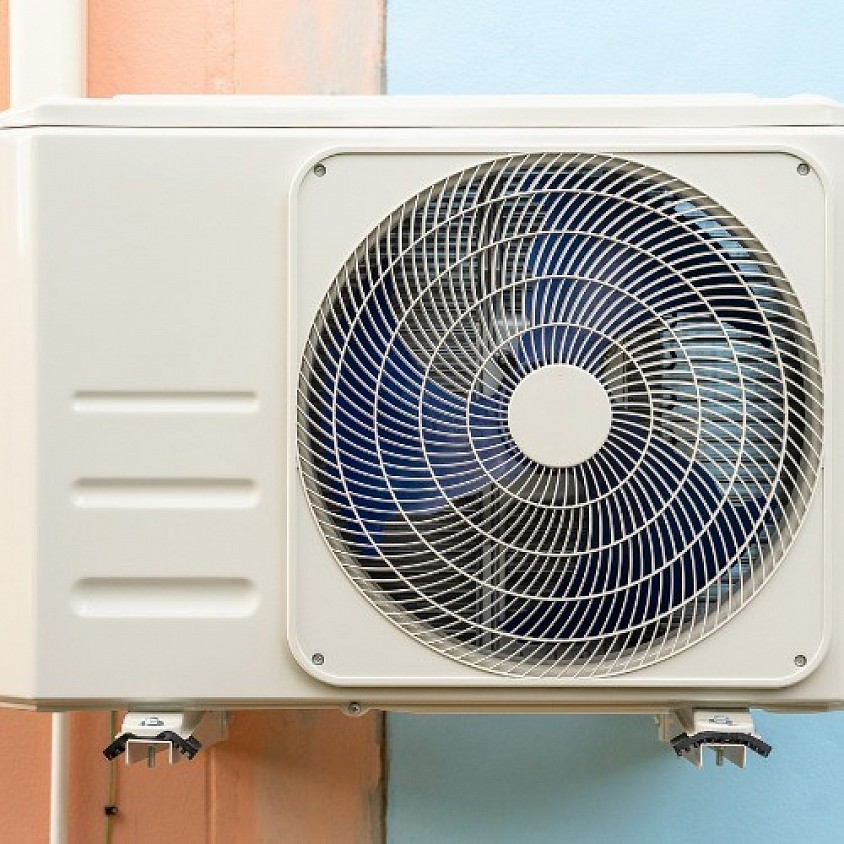
Well-timed maintenance remains the backbone of reliable air conditioning. A thorough seasonal tune-up typically includes inspecting electrical connections, checking refrigerant lines for visible wear, rinsing or replacing filters, and verifying that the condenser and evaporator coils are clear of debris. Even small actions—like clearing leaves from around the outdoor unit and ensuring proper clearance—can improve heat exchange.
Consider a simple example: a system that labors because of a clogged filter may short-cycle and leave rooms unevenly cooled. Once the filter is replaced and the coils are clean, airflow stabilizes, energy use moderates, and comfort becomes more consistent. A regular maintenance rhythm also helps catch early warning signs, such as unusual vibrations, musty odors from microbial growth on the coil, or a condensate line that is beginning to clog. Managing these issues before peak season greatly reduces the risk of sudden outages on the hottest days.
Respond Quickly to Symptoms That Signal an AC Emergency
Certain symptoms point to the need for urgent attention. Lukewarm air despite a running system, ice on refrigerant lines, breaker trips after each start attempt, or sudden grinding and screeching noises all warrant an immediate shutdown and professional evaluation. Prolonging operation under these conditions can worsen damage to compressors, blower motors, or control boards.
In coastal and humid regions, these failures often surface during heat spikes or after severe storms when debris and moisture stress outdoor components. Many residents rely on emergency AC repair providers during sudden system failures to get fast diagnostics and safe restoration. A practical approach is to gather clear notes before help arrives: document when the problem began, note any unusual smells, and check whether issues occur at certain times of day. Turning off the system at the thermostat and at the breaker, when safe to do so, can prevent additional harm until a technician assesses the equipment.
Optimize Airflow: Ducts, Vents, and Home Layout Matter
Airflow problems are a common cause of poor comfort and high energy use. Undersized return ducts, crushed flex runs, blocked supply registers behind furniture, or dirty blower wheels all restrict circulation. One telltale sign is rooms that never seem to match the thermostat reading. Another is a whistling sound at the vents, which can indicate high static pressure.
Addressing duct issues can be as straightforward as rebalancing registers, sealing visible gaps with approved mastic, or replacing a compromised flex section. In more complex cases, reconfiguring return placement or adding a dedicated return in a closed-off room can even out temperatures. Consider a two-story home where bedrooms overheat in the afternoon: minor duct adjustments, fresh filters, and verified fan speeds may resolve the issue without upsizing the equipment. Proper airflow not only boosts comfort but also protects internal components, as adequate return air keeps coil temperatures stable and reduces the risk of icing.
Leverage Smart Controls and Sensible Setpoints
Modern thermostats and zoned controls can tighten comfort bands while easing strain on equipment. Features like geofencing, adaptive recovery, and staged cooling help systems run longer, steadier cycles rather than short, frequent bursts. In practice, that means fewer temperature swings and less wear on compressors.
A good habit is setting a realistic cooling target that accounts for outdoor conditions and insulation levels. Dramatic drops from a warm house to a much cooler setpoint can extend run times and highlight preexisting weaknesses, such as a dirty coil or low airflow. Scheduling also matters: a gradual step-down in temperature before peak afternoon heat can keep interiors comfortable without forcing emergency cooldowns. In multiroom homes, zoning can direct cooling where it is needed most—such as upstairs bedrooms in the evening—reducing unnecessary runtime in unoccupied areas. When combined with routine maintenance, smart controls serve as an excellent preventive tool rather than just a convenience.
Address Humidity and Indoor Air Quality for Complete Comfort
Cooling is only part of the comfort equation; humidity and air quality shape how cool air actually feels. High indoor humidity can make a room feel warmer and encourage microbial growth on coils and in drain pans. Ensuring proper condensate drainage, verifying fan speeds, and maintaining clean coils all support effective moisture removal.
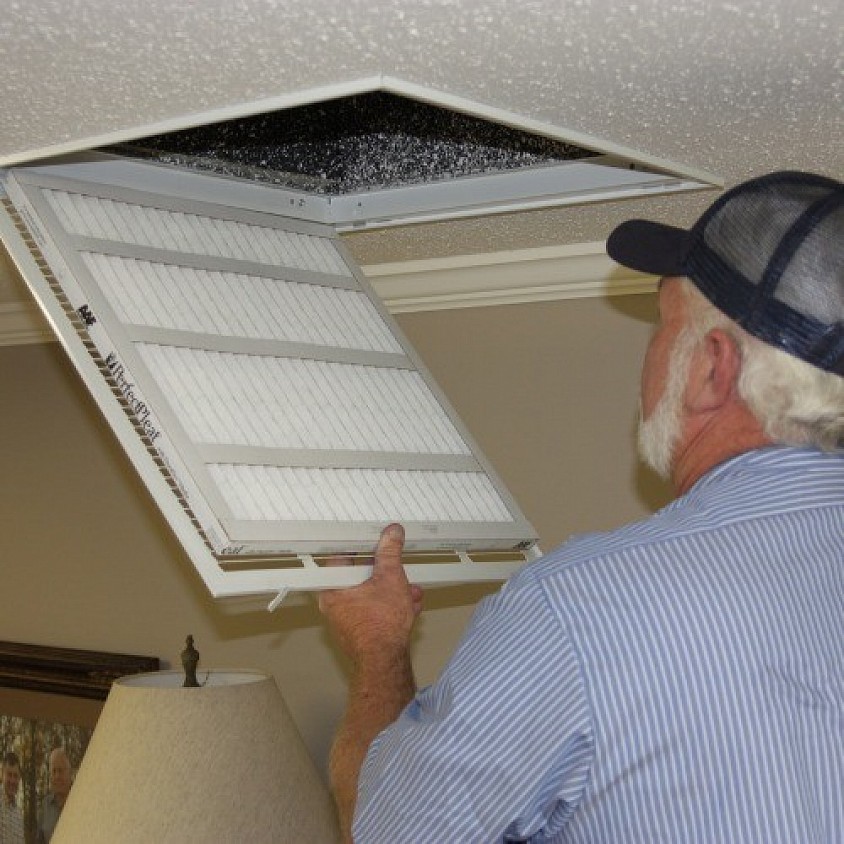
In persistently damp climates, supplemental dehumidification may be appropriate to stabilize indoor conditions and lighten the overall cooling load. Filtration also plays a critical role: selecting filters that balance particulate capture with airflow preserves system health and keeps evaporator coils cleaner. For example, upgrading from a basic filter to one with better particle capture can reduce dust accumulation in vents and improve air freshness, provided static pressure stays within acceptable ranges. Taken together, humidity control, clean filters, and unobstructed airflow enhance comfort, prevent odors, and reduce stress on mechanical components during long cooling seasons.
Smart Cooling Strategies and Service Trends Shaping Today’s HVAC Market
Seasonal Demand and System Load in Coastal Heat
In regions with long cooling seasons, HVAC systems shoulder marathon-level workloads. Compressors, blower motors, and capacitors face persistent strain when dew points stay elevated and indoor set points remain tight. The practical takeaway is load management: oversized systems short-cycle and leave humidity behind, while undersized units run endlessly. Right-sized equipment paired with proper airflow, sealed ductwork, and a tuned refrigerant charge curbs those extremes.
For households that see frequent afternoon spikes, zoning and variable-speed air handlers can flatten temperature swings and reduce noise. For example, a two-story home that bakes upstairs often benefits from dedicated zone dampers and smart controls that stagger demand without starving airflow downstairs. In high-demand corridors where service calls surge with the first heat wave, timely maintenance can mean the difference between a quick capacitor swap and a full compressor failure. That reality underpins the strong seasonal emphasis on inspections before peak cooling hits, especially in communities that lean on dependable AC repair services.
Indoor Air Quality Becomes a Top-Tier Priority
Comfort is no longer measured solely by temperature; it now includes humidity balance, particulate capture, and ventilation that refreshes stale air. Whole-home dehumidification stabilizes comfort at slightly higher thermostat settings, which often improves perceived coolness while reducing overall runtime. Media filters or high-MERV options capture fine dust and pollen without choking airflow, provided they are properly sized to the blower’s static pressure allowance.
Ultraviolet lights complement filtration by targeting coil biofilm growth, preserving heat-transfer efficiency. In retrofit projects, energy recovery ventilators introduce outdoor air while minimizing energy penalties, a key benefit for tightly sealed homes. For example, a family dealing with musty odors after lengthy rainy spells can see a major difference by addressing attic bypass leaks, upgrading to a deeper filter cabinet, and adding dedicated dehumidification to turn a clammy space into consistently crisp comfort. The broader industry trend points toward integrated IAQ packages rather than one-off gadgets, ensuring the duct system, filtration, and controls all work together efficiently.
Smart Controls and Data-Driven Maintenance
Connected thermostats and equipment sensors give technicians detailed snapshots of system behavior, shortening diagnostic time and improving outcomes. Instead of relying on a single service visit to assess performance, data logs reveal how long cycles run, how often defrost occurs on heat pumps, and whether humidity targets are actually being met. Predictive maintenance uses these patterns to schedule coil cleaning, blower wheel service, or drain clearing before failures cascade into no-cool emergencies.
For example, a light commercial suite using variable refrigerant technology can set alerts for abnormal pressure swings, prompting a check for airflow blockages or low refrigerant without waiting for a comfort complaint. Homeowners benefit too: geofencing can pre-cool efficiently, then relax set points when a house is empty, saving energy without sacrificing comfort. Over time, these insights help right-size future equipment, guiding a move from single-stage to two-stage or variable-capacity systems where duty cycles and occupant behavior justify the upgrade.
Ductwork: The Hidden Backbone of Comfort and Efficiency
Even premium equipment struggles if duct systems are undersized, leaking, or poorly balanced. Pressure drops across restrictive returns force blowers to work harder, amplifying noise and shortening component life. Proper duct design considers total external static pressure, equivalent lengths, and smooth transitions at plenums. Sealing with mastic or UL-listed tape, insulating in unconditioned spaces, and correcting crushed flex runs often produce immediate, tangible gains.
Consider a ranch-style home where bedrooms receive weak airflow: adding a return in the far wing, upsizing a tight elbow to a long-radius fitting, and balancing registers can transform distribution without touching the outdoor unit. In light commercial spaces, verifying diffuser throws and reading manometer values during commissioning prevents hot spots and employee complaints. The lesson is consistent: airflow comes first. A modest investment in duct remediation frequently outperforms chasing lower thermostat settings or aggressively oversizing equipment.
Preparedness: Maintenance Plans and Emergency Readiness
Peak-season comfort hinges on proactive care. A thorough tune-up addresses coil cleanliness, condensate drainage, contactor wear, motor amperage, and thermostat calibration, while also confirming that refrigerant levels match manufacturer specifications. Cleaning and treating the drain line can avert water damage and system shutdowns when algae blooms during warm months.
Homeowners who replace filters on schedule and keep outdoor units free of debris help systems breathe, lowering head pressure and energy use. For facilities, documenting maintenance with photos and readings creates a baseline for future comparisons, speeding up troubleshooting when time is tight. It also pays to stock essentials—correct filter sizes, extra drain tablets, and spare batteries for wireless sensors—so minor issues do not escalate. When a heat dome settles in and service backlogs grow, clients who planned ahead typically secure faster diagnostics and shorter downtimes. Preparation is not just about avoiding breakdowns; it is about preserving efficiency, extending equipment life, and keeping indoor conditions steady when outdoor weather refuses to cooperate.